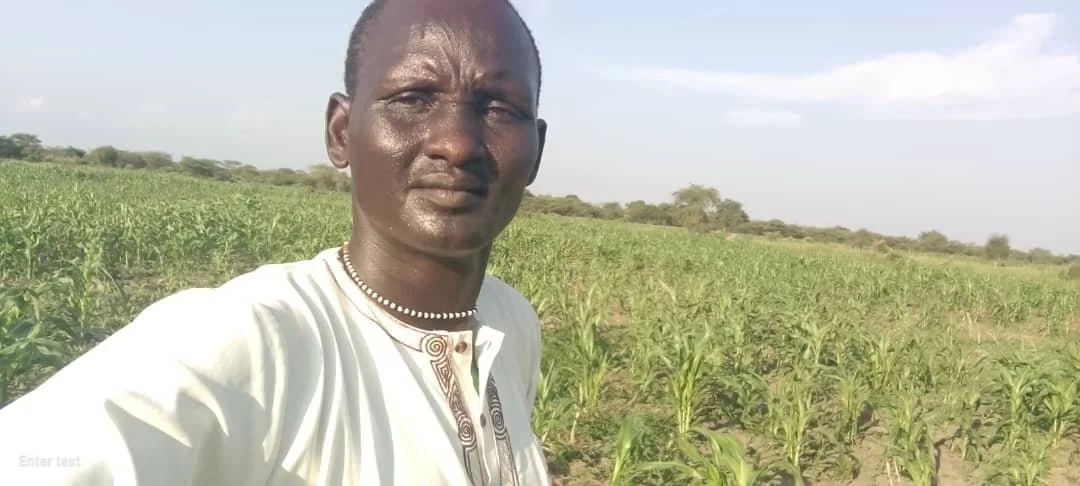
Climate unpredictability is becoming one of the greatest threats to South Sudan's farmers. As delayed and erratic rainfall disrupts traditional planting seasons, communities face growing risks to food security and livelihoods. Building resilience through climate-smart agriculture, improved weather information, and innovative irrigation solutions is now more urgent than ever.
Economic growth alone does not guarantee peace. Drawing on more than fourteen years of experience, this reflection explores why livelihoods and peacebuilding must be intentionally integrated. When communities build trust, shared prosperity and collective ownership alongside economic opportunity, they create the foundations for resilience, social cohesion and lasting peace.
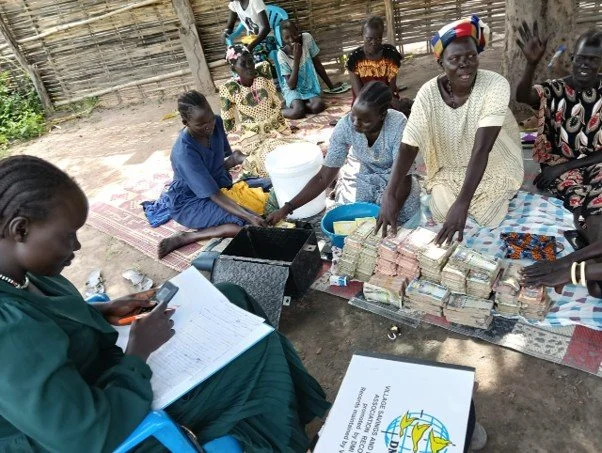
What begins as a conversation can become something much more. Across South Sudan, women participating in Bridges of Peace are transforming solidarity into action, forming savings groups, securing farmland, and building livelihoods together. Their journey demonstrates how collective action can strengthen leadership, resilience, and sustainable peace.
Recorded in the field — with all the onlookers, interruptions and humour that come with it — this episode captures an unfiltered conversation about the realities of peacebuilding in South Sudan. We discuss two journeys: how plans can work or unravel, new directions emerge, and how relationships of trust and commitment can guide a process when it seems like it might collapse.
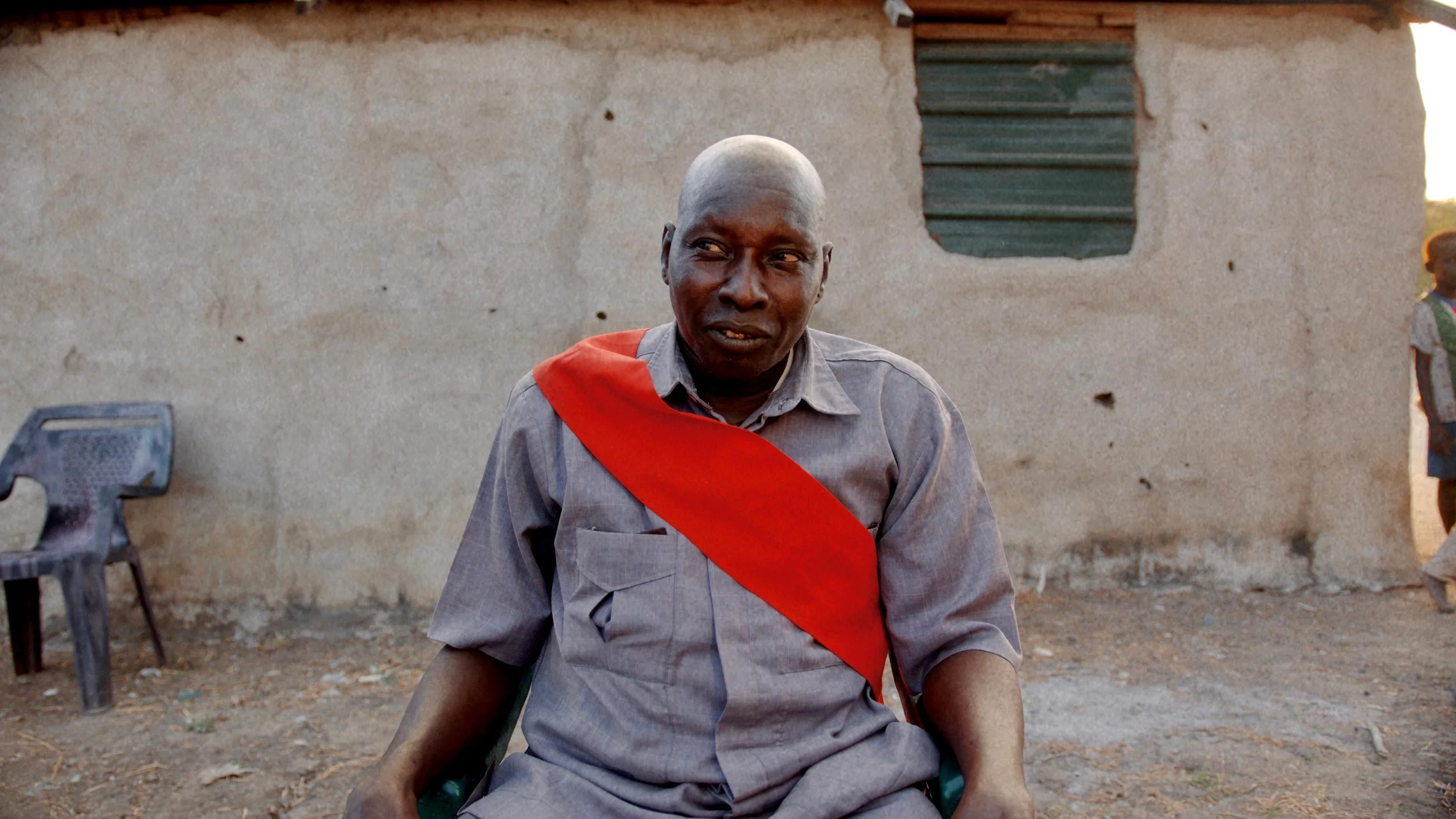
In the days before the roads opening, Chief Gulech of Gumuruk suffered devastating personal loss: five family members killed and twelve children abducted in retaliatory violence. Yet he refused to let grief derail the initiative. Even as he worked to recover raided cattle, he reaffirmed his commitment to peace, declaring that leaders are “for everyone,” not just their own community.
Climate unpredictability is becoming one of the greatest threats to South Sudan's farmers. As delayed and erratic rainfall disrupts traditional planting seasons, communities face growing risks to food security and livelihoods. Building resilience through climate-smart agriculture, improved weather information, and innovative irrigation solutions is now more urgent than ever.