Machar’s transformation from feared fighter to respected peace leader shows what becomes possible when communities drive their own change. Once known for violence, he now guides others in reconciliation. His journey reflects a wider truth in South Sudan: when people are trusted to lead, peace is not only possible - it can endure.
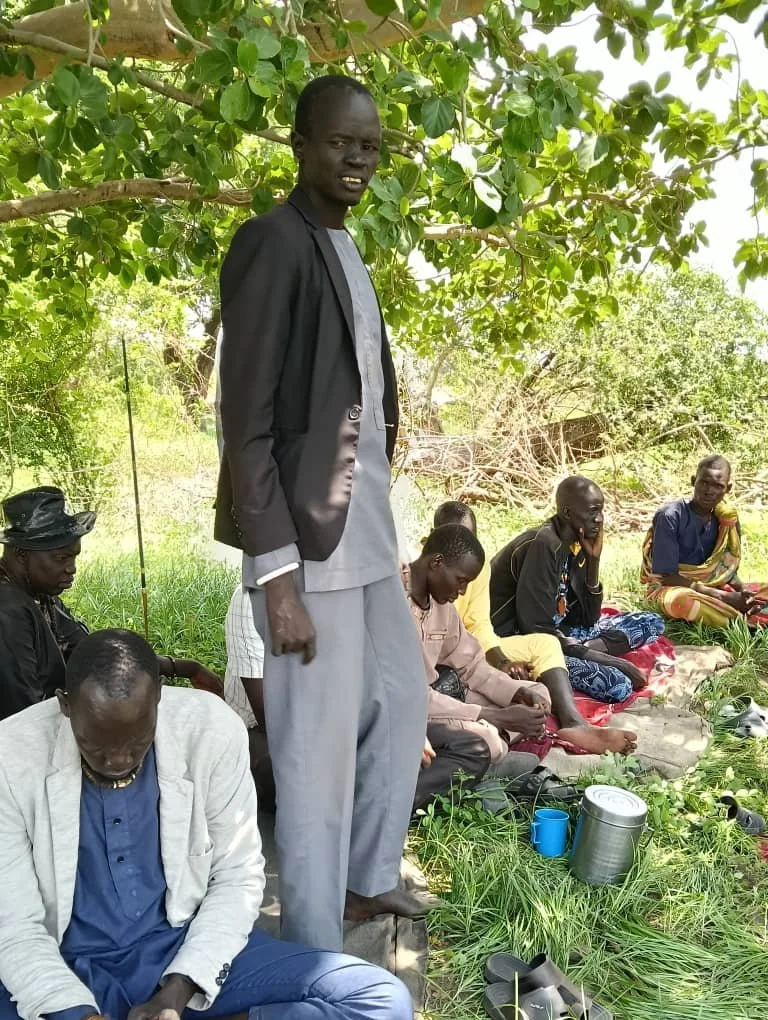
Zaari Ibon, a Murle armed youth leader, took to the floor beneath the great tamarind tree in the heat of the late afternoon sun. Encircled by representatives of the communities he had been fighting since boyhood, he said:
“Today I want to tell you that I am no longer a cattle raider… I will not continue to raid people’s cattle or to abduct children.”
Three women from Motot walked for days—through mud, setbacks, and cancelled flights—just to reach a women’s peace conference in Juba. They weren’t travelling for themselves; they were carrying the hopes of their communities. Their determination embodied the message of the gathering: peace is not theory, it is action. Their arrival, late but powerful, reminded everyone that commitment, leadership, and courage often come from those who walk the hardest roads to be part of the solution.
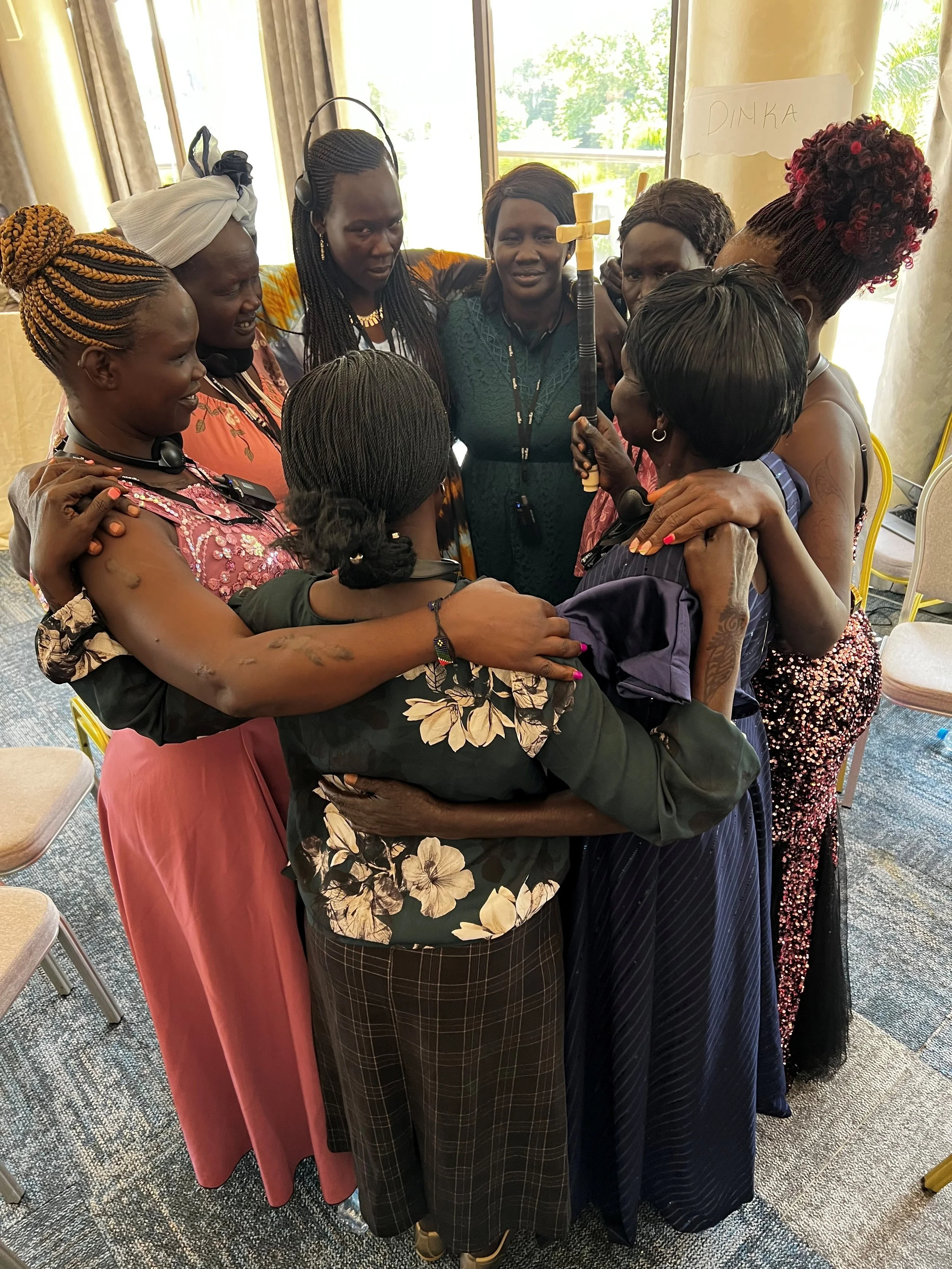
Sixty women leaders from Nuer, Dinka, and Murle communities met in Juba for a landmark peace conference. Through storytelling, movement, and dialogue, they confronted cycles of violence, recognised shared challenges, and committed to practical next steps. The gathering embodied women’s determination to reshape peace across Jonglei and GPAA.
Conferences often promise dialogue but deliver hierarchy, ego, and endless flipcharts. Yet, when reimagined as spaces for genuine conversation, they can nurture ecosystems rather than egos. It is possible. Our recent women’s conference was a small step into circles, embodied reflection, dancing, and shared responsibility; sparking connection and ownership.
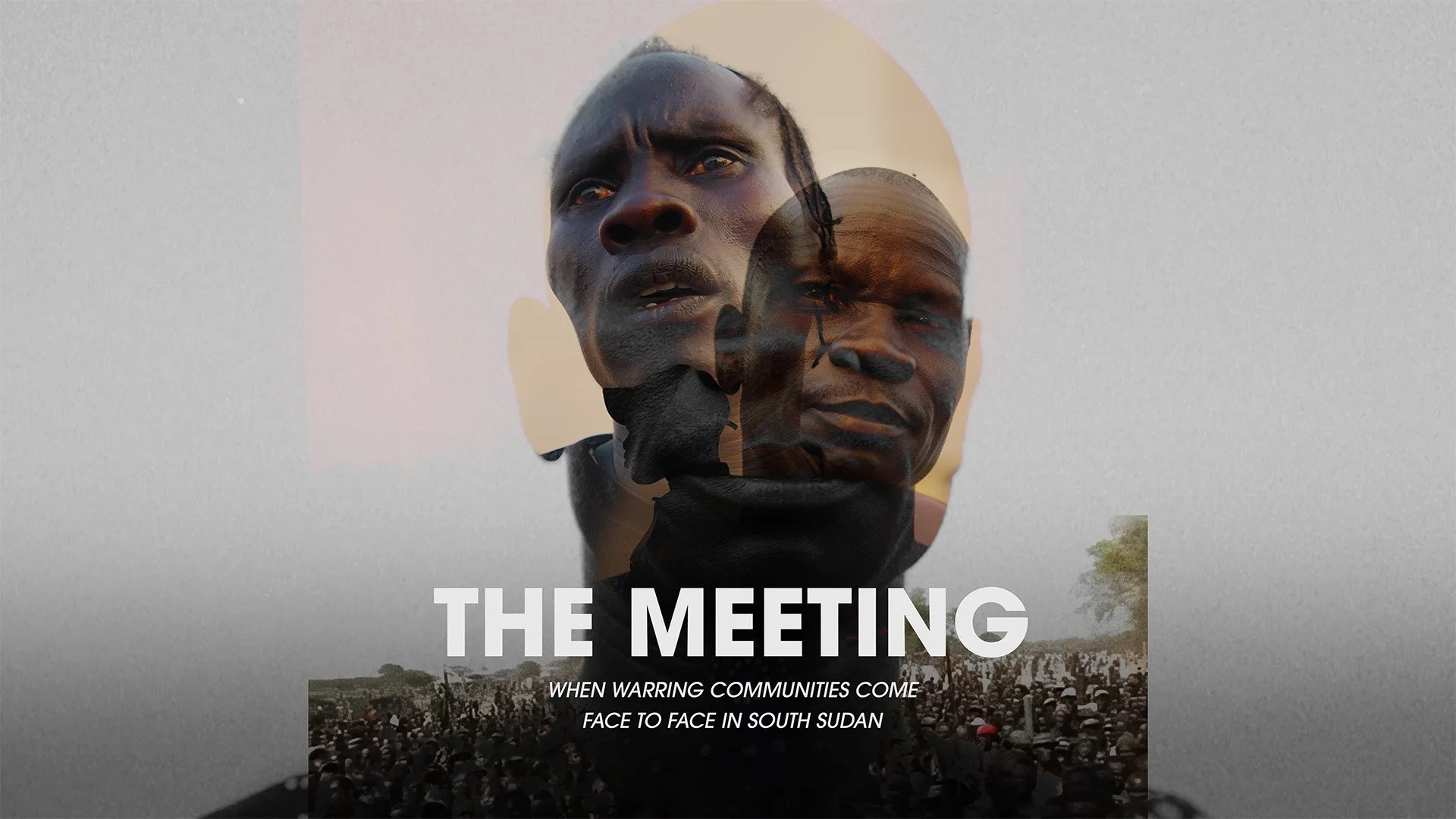
Four years after the Pieri Agreement, the Seventh ICGS session in Juba reaffirmed community commitment to peace amidst setbacks. While abductee returns stalled, progress on road access and a shared boarding school offered hope. A public film screening and renewed dialogue reinforced the importance of sustained, practical intercommunal cooperation.
Machar’s transformation from feared fighter to respected peace leader shows what becomes possible when communities drive their own change. Once known for violence, he now guides others in reconciliation. His journey reflects a wider truth in South Sudan: when people are trusted to lead, peace is not only possible - it can endure.